Addiction Treatment in Texas: Sober Coaching and Recuperation Mentoring
Texas is huge enough to hold several roads to recovery, from extensive hospital detox to peaceful, peer-led meetings in church basements. Over the past decade, one bridge in between formal treatment and daily life has gained traction here: sober training and recuperation mentoring. When it is done well, mentoring steadies the vulnerable handoff from therapy to reality, where stress factors do not wait on your following therapy appointment. I have seen people maintain breakable gains just since a trainer responded to the telephone call at 10 p.m., strolled with them through a stressful household dinner, or taught them exactly how to make a regression prevention plan that in fact fits life in San Antonio web traffic and hillside nation weekends.
This is not a silver bullet. A train does not change treatment or certified treatment. But in Texas, with its mix of urban sprawl, oilfield rotations, armed forces areas, and rural communities, the useful flexibility of an instructor commonly makes the difference between an encouraging discharge summary and a resilient, sober routine.
What sober coaching is, and what it is not
A sober train is a skilled specialist who assists a person develop and preserve healing in life. That role can be extremely functional: structuring a morning routine, mapping high-risk courses around community, rehearsing just how to leave a barbeque without utilizing. It can also be calculated: aligning treatment goals with everyday habits, coordinating with outpatient providers, developing responsibility that holds on weekends and holidays.
The term recuperation advisor is occasionally utilized interchangeably, though advisors usually emphasize peer experience. In practice across Texas, the job blends both. Coaches might be licensed peer experts, accredited counselors moonlighting, or skilled recuperation supporters learnt evidence-informed strategies. The much better ones can articulate their approach, established quantifiable objectives, and collaborate with your professional team.
An instructor is not a detox carrier, not a prescriber, and not a replacement for psychotherapy. If alcohol withdrawal risks seizures, or if opioids become part of the photo and drug for opioid usage condition is shown, a medical carrier leads. Good trainers in Texas know when to step back and loop in a clinician, and they keep clean limits around scope.
How training fits within addiction treatment in Texas
Addiction therapy in Texas stretches across levels of care: clinical detoxification, household rehabilitation, partial hospitalization, intensive outpatient, standard outpatient, and mutual-help teams. Sober mentoring threads through these stages, normally increase as formal strength tapers down.
In Dallas and Houston, some programs bundle coaching right into discharge preparation. In the Panhandle and Big Bend, I have seen telecoaching utilized to link fars away to specialized treatment. On the I-35 corridor, family members usually transform to mentoring throughout the risky first 90 days after domestic therapy. Trains can likewise offer those that are not in treatment at all, aiding them get ready for it, decrease use, or support chaotic regimens so treatment becomes possible.
Insurance protection for training differs. Some company strategies reimburse particular peer services, specifically when the trainer holds a state-recognized credential. Regularly, family members pay privately. I have seen prices in Texas range from 50 to 200 bucks per hour, with day-rate alternatives when a client needs extensive assistance, as an example during an early return from residential care. The price hurts, but weighed versus duplicated regressions and lost work, numerous households locate it warranted. The secret is to demand clarity on deliverables, sychronisation with clinicians, and end results tracking.
A day in the life with a sober coach
Consider a compound of clients I have supported around San Antonio. The client is a 32-year-old line chef that completed a 30-day program and began an evening extensive outpatient team three evenings a week. He deals with his sibling near the Pearl, experiences the bus, and functions from 3 p.m. To 11 p.m. Drinking started on the line, where beers glide towards closing time. He wants to keep the job.
We set an early morning framework: up at 8 a.m., hydration, quick breakfast, a 10-minute check-in by message, and afterwards a 20-minute stroll around Brackenridge Park prior to the heat spikes. We fulfilled outside a day or two every week, ran through impulse browsing exercises, and prepared meals ahead of time to reduce end-of-shift choice exhaustion. He shared his team schedule, and with consent I sent out a short weekly note to his specialist highlighting victories and pressure factors. On payday Fridays, he let me understand where the money was going, making use of a simple envelope approach to stop a spree.
One Sunday he texted at 4 p.m. From a close friend's home where the game was on and tequila was out. We rehearsed a manuscript, he forged a stomach bug, and I waited on FaceTime while he grabbed a rideshare. We met at a late-night restaurant off Broadway and debriefed over coffee. That solitary bailout, paired with a Monday session examining triggers, likely conserved a two-week spiral.
This is not extravagant. It is used, versatile, and non-stop functional. It plugs the voids that typical therapy can not get to in between 5 p.m. And midnight.
How mentoring differs from therapy, sponsorship, and situation management
Therapy explores patterns and trauma. Sponsors supply fellowship and steps within a mutual-help practice. Situation supervisors prepare solutions and ensure connection of treatment. Coaches obtain from all 3, but rest closer to the ground. Their money is action in genuine environments.
If a customer's shame is obstructing regression avoidance, that belongs in treatment. If the person requires a conference after job, a sponsor might recommend where to go. A trainer will map the commute, practice the arrival, and fix the late bus. In my experience in Texas markets, people do best when all 3 functions communicate, each staying within their lane.
Texas realities that form coaching plans
Texas warm influences hydration and sleep, both connected to yearnings. Instructors remind clients to lug water, and to move workouts previously in the day during peak months. Commute times in Austin and Houston can add an hour to the day, transforming small anxiety into a relapse vehicle driver. Instructors assist clients determine micro-breaks, podcasts that strengthen healing, or detours that avoid triggers, like an alcohol store near the normal exit.
Cultural rhythms matter. Friday night lights, rodeo season, Feast in San Antonio, and tailgates can hit early recuperation. Trains do not just claim prevent it. They instruct graded direct exposure: participate in a quarter and leave, bring a sober good friend, carry your very own drink, or enjoy from home up until footing steadies. For those working in oil and gas, two-weeks-on rotations can annihilate routine. Telecoaching and designated check-ins straighten with https://cruznulc301.stonefielddigest.com/posts/just-how-to-locate-evidence-based-addiction-treatment-in-san-antonio shift changes, and a security plan is constructed for the evening off in Midland or Eagle Ford when crew culture pushes hard.
Rural accessibility remains a difficulty. Broadband voids indicate call and SMS end up being lifelines. Training can also sustain transport strategies to reach consultations in Lubbock or San Angelo every various other week. In some areas, confidence communities offer the toughest recuperation network. Knowledgeable trainers respect that, encourage spiritual assistances when they help, and keep the door available to scientific care when signs and symptoms escalate.
Addiction treatment in San Antonio and how training integrates
San Antonio's treatment landscape consists of hospital-affiliated detox units, residential centers within an hour's drive, extensive outpatient programs throughout the North Side and West Side, and an active community of mutual-help conferences in English and Spanish. Active duty military and veterans include an additional layer, with discretion and command considerations directing strategies. Many families below choose a sensible approach, something that fits shift work at Toyota or evening courses at one of the colleges.
Coaches in San Antonio tend to meet clients where they are: after job near Southtown, at a coffee shop on the North Central loop, or basically if child care is limited. I encourage coordination, with the customer's approval, in between instructor, specialist, and prescriber. When the coach hears that weekend breaks surge yearnings after a lengthy Saturday change at La Cantera, the specialist can target cognitive strategies, and the prescriber can expect communications or change medicine timing. This three-way positioning usually cuts relapse risk during the initial 90 days of outpatient care.
Evidence, end results, and straightforward limits
Peer and training assistances are not brand-new. Research study on continuing treatment programs benefits for substance use results when liability and skills method continue past formal therapy. The magnitude varies across researches. In my data, clients who made use of mentoring for at least three months, with once a week contact and on-call schedule for high-risk windows, were most likely to finish outpatient programs and record months-long stretches without usage. That is not a randomized trial, yet it tracks with what several clinicians see: structured follow-up decreases the probabilities of an early slide.
Coaching's limits are clear. If someone is psychotic, self-destructive, or in severe withdrawal, this is medical. If a court order is driving involvement, inspiration can be slim, and training might become a compliance screen instead of an adjustment agent. And some people just dislike the intimacy of everyday check-ins. We do not force it. We build a various scaffold.
Costs, openness, and what to ask before you hire
Private coaching is an investment. When households ask whether it deserves it, I turn the concern around: what are you trying to buy? If the answer is comfort without the individual changing, save your cash. If the answer is focused, functional help during a dangerous window, then established clear terms.
Here is a succinct list of questions that aids Texans different solid trainers from glossy marketing:
- What is your training and credential, and just how do you stay within your scope of practice?
- How do you coordinate with therapy, clinical carriers, and family members, with the customer's consent?
- What does a week look like in practical terms, consisting of reaction times after hours?
- How do you define and gauge progress, and what occurs if the plan stalls?
- What are your costs, cancellation plans, and any type of service charges for situation support or travel?
If a coach can not answer these without fluff, keep looking.
Family involvement without making it worse
Families usually pay for coaching, which makes complex borders. A good train builds a triangle that does not end up being a trap. With the customer's authorization, updates to household continue to be top-level: presence, adherence to concurred routines, and significant worries. The abrasive information, consisting of slips, are dealt with initially with the client unless instant safety and security is at danger. This keeps embarassment from driving secrecy.
I ask family members to focus on architectural assistance. Assist with transport for evening groups. Change supper times to match a brand-new job routine. Eliminate alcohol from the home for 90 days. If there is a slip, avoid high-decibel postmortems. Rather, return to the plan: what worked, what stopped working, and what we can repeat by Friday.
Working with medicine and scientific care
Medication for alcohol usage disorder and opioid usage problem saves lives. In Texas, access has improved, yet preconception sticks around. Instructors that recognize their lane can help clients stay consistent, track adverse effects, and plan around doses. For someone on buprenorphine, a trainer might set pharmacy tips, prepare for journeys when refills will certainly overlap, and preemptively sort transport. For an individual on naltrexone, the coach may plan the initial couple of weeks when queasiness could damage cravings and sleep.
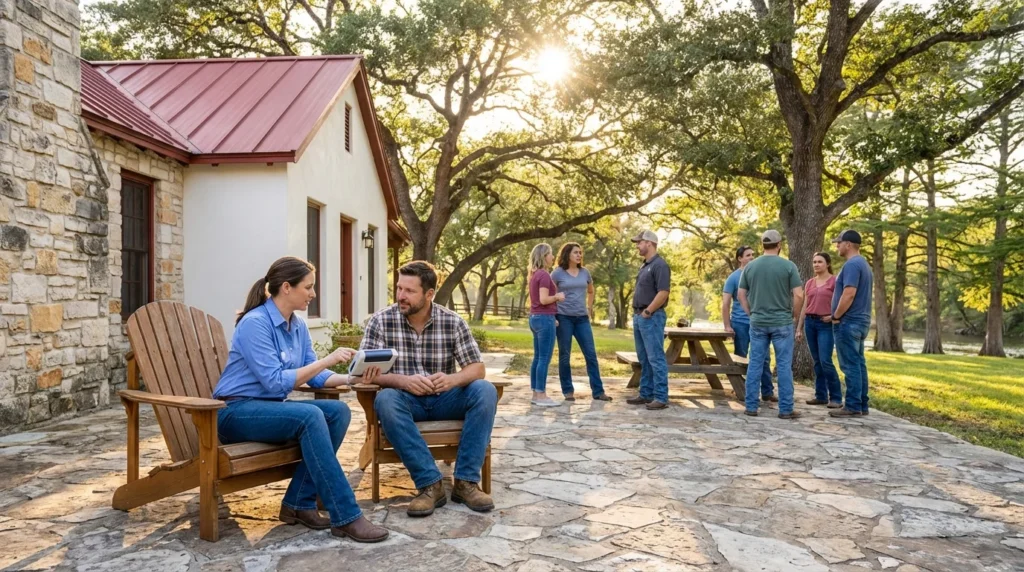
Coordination issues most during transitions: hospital discharge to home, jail release to very first center check out, or moving from San Antonio to a task in New Braunfels. A 72-hour post-transition window is where I see strategies fail. Lock that home window down with set up check-ins, a schedule welcome to the initial outpatient group, and a transportation back-up if an automobile stalls on 281.
Practical devices that make coaching tangible
The ideal training gets particular, not aspirational. We develop short loopholes. Two instances:
A desire plan that fits I-10 website traffic. Name the hotspot time, commonly 5 to 7 p.m. Identify the very first hint, such as the turn onto a road with signboards for alcohol. Switch the route for 10 days. Preload a high-protein snack, a litre of water, and a playlist that signifies recuperation, not fond memories for bench. Text the instructor as the automobile leaves job, however on arrival. Award with a small, prompt win: 15 minutes of a favorite show prior to dinner.
An office manuscript for after-shift pressure. When a colleague claims simply one beverage, the client practices: I am driving my nephew early, capture you later on. Body turns, feet move, message goes out. Money remains in a front pocket with only recompense and a card secured behind phone limitations after 8 p.m. This might sound granular. It is, and it functions since it decreases decisions under fatigue.
Red flags when looking for mentoring in Texas
Most trains indicate well. A couple of do damage by overpromising or ignoring values. Watch out for these indication:
- Guarantees of soberness or cases of 100 percent success
- Refusal to coordinate with qualified carriers or to make use of a launch of information
- Pushy references to a solitary rehab without reviewing options or cost
- Pressure to authorize lengthy contracts prior to a test period
- Vague strategies hefty on motivation and light on daily structure
If any of these turn up, pause. There are numerous thoughtful professionals in the Texas healing neighborhood that will appreciate your judgment and budget.
Starting factors for addiction treatment Texas broad, and locally in San Antonio
People frequently ask where to start. If prompt medical danger exists, begin with a physician, immediate treatment, or a medical facility emergency room. For alcohol withdrawal, do not white-knuckle in the house. For opioids, look for a facility that prescribes buprenorphine or methadone. Across Texas, county psychological health and wellness authorities preserve source lines that can route you to licensed providers and sliding-scale options.
For those looking at addiction treatment in San Antonio, map the options: hospital-based detoxification for safety and security, a property program if home is disorderly, after that a step-down to intensive outpatient on the very same side of town as your job. Take a look at work routines and childcare. If you include a sober train, incorporate them early. Share schedules. Recognize the first risky weekend break and over-engineer it. If money is tight, inquire about group-based coaching or peer support professionals embedded in centers, which can reduce expenses and still supply accountability.
Telecoaching and rural Texas
Rural Texans typically manage lengthy drives and thin supplier networks. Phone-based training, SMS check-ins, and routine in-person days can be enough. I have actually supported ranch hands outside Kerrville with a crossbreed model: one in-person early morning every 2 weeks, day-to-day messages, and a Sunday night video clip call to set the week. The plan included a neighbor who became a strolling companion at dawn, when the heat allows. Mutual-help conferences may be sparse, so we used online groups and established clear boundaries to prevent limitless scrolls that unspool sleep.
Telecoaching also helps during climate events. During the 2021 freeze, a number of clients lost water and power. The risk of relapse increased under anxiety. Coaches operated on phone batteries, used brief contact us to support regimens, and prepared risk-free residences with sober close friends when apartments went dark. It was not sophisticated, yet it held individuals till services returned.
Measuring development without deceiving ourselves
Sobriety dates issue, and they are not the entire tale. I track three domains in early work: frequency and intensity of food cravings, attendance and preparation to recuperation activities, and high quality of rest. When food cravings go down a notch or 2, when individuals turn up in a timely manner, and when sleep supports above 6 hours most nights, gaps drop. These are visible and shapeable.
When slides occur, the plan changes to fast learning. We catch the chain, recognize the initial variance, not the last straw, and squash pity by going back to concrete actions. Instead of a moral failure narrative, we treat it as a systems trouble. Over months, that position enables individuals to restore without hiding.
Respecting culture and language
Texas has deep cultural diversity. Spanish-speaking families in San Antonio navigate recuperation with various expressions of distress and various assumptions concerning family duties. Coaches that are multilingual or culturally hip to can reduce rubbing. They will understand how to involve an abuela without shaming a grandson, or exactly how to speak about addiction as an illness in a manner that aligns with family values. Similarly, for professionals and army families, experience with chain-of-command and discretion boundaries can avoid spontaneous mistakes that endanger careers.
Final ideas from the field
Addiction treatment is not a single entrance. It is a path that we build under our feet while life maintains moving. Sober mentoring and healing mentoring give that path traction in regular areas: a post-shift car park, a grocery aisle, a household picnic at Woodlawn Lake. Made with ability, coaching translates professional objectives into resilient practices, keeps families aligned without taking over, and buys time for the brain to heal.
If you are weighing options for addiction treatment Texas vast, or considering addiction treatment in San Antonio particularly, search for functional placement in between solutions and every day life. Ask tough questions of any train. Need control with medical professionals. Budget for the dangerous months, not simply the initial week home. Recuperation is built in hours and days, not slogans. A great trainer understands that, fulfills you where you live, and remains long enough for the brand-new routine to end up being yours.